Plymouth, Massachusetts — The closely watched trial of Lindsay Clancy officially ended in a mistrial Friday, September 4, 2026, after jurors said they remained unable to reach a unanimous verdict and Massachusetts’ highest court rejected a last-minute effort by the defense to keep the case alive.
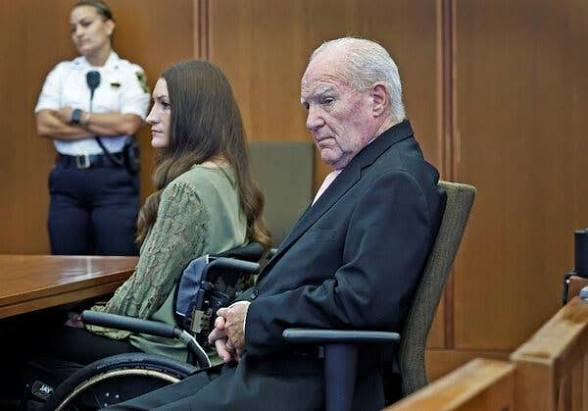
Plymouth Superior Court Judge William Sullivan formally declared the mistrial after an extraordinary day of courtroom developments surrounding the jury’s prolonged deliberations.
Clancy, 36, was on trial in connection with the 2023 d3aths of her three children: Cora Clancy, 5; Dawson Clancy, 3; and Callan Clancy, 8 months old, at the family’s home in Duxbury, Massachusetts.
The jury had spent days attempting to determine whether Clancy should be held criminally responsible for what happened.
On Friday, jurors sent Judge Sullivan another note stating that they remained unable to reach a unanimous decision. It was the third time the jury had reported being deadlocked.
The deadlock followed an unusual development a day earlier when the jury foreperson informed the court that one juror appeared to disagree with the other 11 and raised concerns about how that juror was applying the legal standard of reasonable doubt.
Judge Sullivan individually questioned jurors and subsequently reminded the panel that proof beyond a reasonable doubt does not require proof beyond every possible doubt.
Clancy’s defense attorney, Kevin Reddington, repeatedly sought the removal of the juror at the center of the dispute and argued that an alternate juror should take that person’s place.
Judge Sullivan declined to do so, explaining that he could not improperly intervene in the substance of jury deliberations or take sides between one juror and the remaining members of the panel.
When the jury again announced Friday that it could not reach a unanimous decision, Sullivan indicated that he would declare a mistrial.
But the case took another dramatic turn.
Reddington requested an emergency pause so that he could seek intervention from the Massachusetts Supreme Judicial Court, the state’s highest court. Sullivan granted the defense approximately one hour to pursue the emergency petition before formally ending the trial.
The defense’s emergency effort ultimately failed.
After the Massachusetts Supreme Judicial Court declined to intervene, the proceedings returned to Plymouth Superior Court and Judge William Sullivan formally declared the trial a mistrial.
The mistrial means there is no guilty or not-guilty verdict from this trial. It also does not amount to an acquittal.
The prosecution can potentially seek another trial before a new jury. Further decisions about the future of the case are expected following Friday’s mistrial.
The case began with the events of January 24, 2023, when Cora, Dawson and Callan were found inside the Clancy family home in Duxbury.
Clancy has not disputed that she caused the d3aths of her children. Instead, the central legal battle concerned whether she was criminally responsible for her actions at the time.
Her defense maintained that she was suffering from severe mental illness, including postpartum psychosis, and therefore should be found not guilty by reason of lack of criminal responsibility.
Prosecutors presented a sharply different argument, maintaining that Clancy understood what she was doing and acted deliberately. They argued that evidence surrounding the events demonstrated planning rather than an inability to distinguish right from wrong.
More than 80 witnesses testified during the lengthy proceedings as prosecutors and defense attorneys presented competing accounts of Clancy’s mental condition, medical treatment and actions before and after the children’s d3aths.
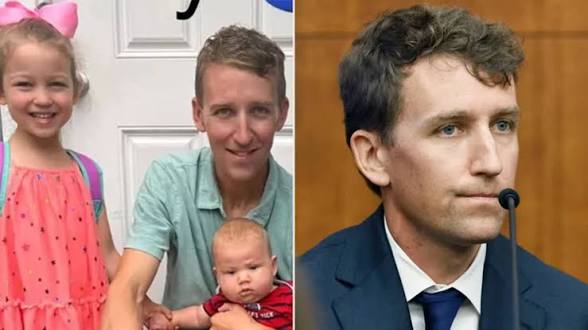
Clancy’s husband and the children’s father, Patrick Clancy, has also remained a central figure in the case and in the devastating events that have surrounded the family since 2023.
Friday’s mistrial therefore does not bring a final legal resolution to the d3aths of Cora Clancy, Dawson Clancy and Callan Clancy.
Instead, after weeks of testimony and days of difficult deliberations, the first trial of Lindsay Clancy ended without a verdict.
The next major question is whether prosecutors will pursue a second trial, potentially requiring another jury to confront the same central question that divided this panel: whether Lindsay Clancy was criminally responsible when her three children lost their l1ves.